

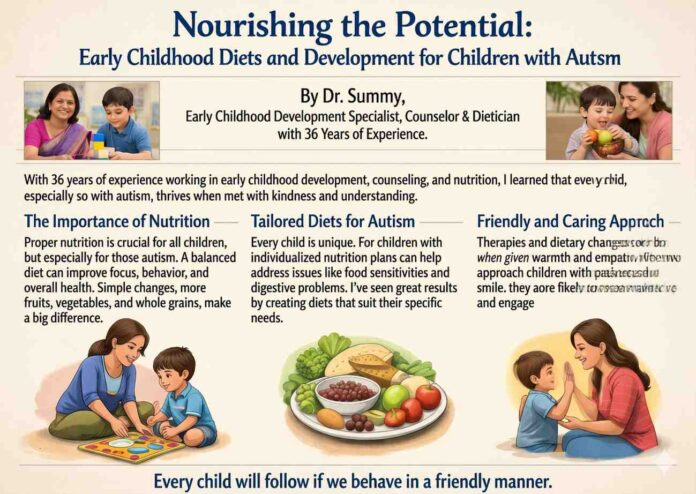
Find effective autism treatment in Dibrugarh with therapies focused on improving your child’s learning and behavior. Our expert approach includes structured programs that enhance communication, attention, and social interaction skills. Each child receives a customized plan based on their unique needs. Early support and consistent therapy can bring noticeable improvements over time. Parents are guided to maintain routines and reinforce learning at home. 
For expert consultation or to share patient details, connect via WhatsApp at 9437164832 and start your child’s development journey.
Autism vs Normal Child Development: Key Differences Parents Should Know
Understanding the difference between autism and typical child development is one of the most important steps for parents who are concerned about their child’s growth. Many parents begin to notice that their child is not reaching milestones at the same pace as others—whether it is speaking later, avoiding eye contact, or showing unusual behaviors. These observations often lead to confusion and questions such as “Is my child developing normally?” or “Could this be autism?” Autism, or Autism Spectrum Disorder (ASD), is a developmental condition that affects communication, behavior, and social interaction. Recognizing the differences between autism and typical development helps parents take early action and provide the right support for their child.
In typical child development, children follow a general pattern of milestones, although the exact timing may vary. Babies usually start responding to sounds, smiling socially, and making eye contact within the first few months of life. As they grow into toddlers, they begin to babble, say simple words, and show interest in interacting with others. By the age of two to three years, most children can form simple sentences, follow basic instructions, and engage in pretend play. These milestones indicate that the child is developing communication, social, and cognitive skills in a typical manner. However, when a child consistently shows delays or differences in these areas, it may be a sign of autism.
One of the most noticeable differences between autism and typical development is in communication skills. Children with typical development usually show a natural desire to communicate with others. They point to objects, respond to their name, and use gestures such as waving or nodding. In contrast, children with autism may have delayed speech or may not speak at all in early years. They might not respond when their name is called, avoid eye contact, or struggle to use gestures. Some children may develop speech but use it in a repetitive or non-functional way, such as repeating phrases without understanding their meaning. This difference in communication is often one of the earliest signs that parents notice.
Social interaction is another key area where differences become evident. Typically developing children show interest in people around them. They smile, seek attention, and enjoy playing with others. They learn by observing and imitating the behavior of those around them. On the other hand, children with autism may appear less interested in social interaction. They may prefer to play alone, avoid physical contact, or have difficulty understanding emotions and facial expressions. This does not mean they do not want to connect with others; rather, they may find social interaction challenging or overwhelming due to differences in how they process information.
Behavior patterns also differ between children with autism and those with typical development. While all children may show repetitive behaviors at certain stages, such as playing with the same toy repeatedly, these behaviors are usually temporary. In children with autism, repetitive behaviors are more persistent and may include actions such as hand-flapping, rocking, spinning objects, or lining up toys. They may also have a strong preference for routines and become upset when there are changes in their environment. For example, a small change in daily routine can cause significant distress. These behaviors are often a way for the child to cope with uncertainty or sensory overload.
Sensory processing is another area where differences are commonly observed. Typically developing children adapt to sensory experiences such as sounds, lights, and textures without much difficulty. In contrast, children with autism may be highly sensitive or under-sensitive to sensory input. They might react strongly to loud noises, bright lights, or certain textures, or they may seek sensory stimulation by touching objects, spinning, or moving constantly. These sensory differences can affect their ability to focus, learn, and interact with their environment.
Learning patterns also vary between autism and typical development. Children with typical development usually learn through observation, imitation, and social interaction. They pick up language and skills naturally by interacting with others. Children with autism, however, may require more structured and repetitive teaching methods. They often learn better through visual aids, step-by-step instructions, and consistent practice. While they may take longer to learn certain skills, they can still achieve significant progress with the right support. In fact, many children with autism have strengths in specific areas such as memory, patterns, or visual learning, which can be used to support their development.
It is important for parents to understand that differences in development do not define a child’s potential. Autism is not a limitation but a different way of learning and experiencing the world. Early identification of these differences allows parents to provide appropriate support and intervention. The earlier a child receives guidance, the better the chances of improving communication, behavior, and social skills. Early intervention programs are designed to address these challenges and help children develop essential life skills.
Parents play a crucial role in supporting their child’s development, regardless of whether the child has autism or not. Creating a structured and supportive environment at home can make a significant difference. Simple practices such as maintaining a routine, using clear communication, and providing positive reinforcement help children feel secure and motivated to learn. Emotional support is equally important. Children need to feel loved, accepted, and understood in order to build confidence and explore their abilities.
Professional support can further enhance a child’s development. Therapies such as speech therapy, occupational therapy, and behavioral therapy are commonly used to address the specific needs of children with autism. These therapies focus on improving communication, daily living skills, and behavior. Parents should actively participate in these therapies and apply the techniques at home for better results. Consistency between therapy sessions and home environment ensures that the child receives continuous support.
Lifestyle factors such as nutrition, sleep, and physical activity also influence development. A balanced diet supports brain function, while proper sleep improves attention and behavior. Physical activity helps reduce stress and promotes overall well-being. Maintaining healthy habits ensures that the child is physically and mentally prepared to learn and grow.
Parents should avoid comparing their child with others, as each child develops at their own pace. Comparison can create unnecessary stress and may lead to unrealistic expectations. Instead, focusing on the child’s individual progress and celebrating small achievements can create a positive and encouraging environment. Every step forward, no matter how small, is a sign of growth.

If parents have concerns about their child’s development or notice significant differences in communication, behavior, or social interaction, seeking professional guidance is an important step. Early evaluation can provide clarity and help determine the best course of action. For guidance or to share patient details, you can connect via WhatsApp at 9437164832.
In conclusion, understanding the differences between autism and typical child development is essential for early identification and support. While children with autism may develop at a different pace and in unique ways, they have the potential to learn, grow, and succeed with the right guidance. Recognizing these differences allows parents to take proactive steps in supporting their child’s journey. With patience, understanding, and consistent care, children with autism can build confidence, develop essential skills, and lead meaningful and fulfilling lives.

