


Behind every successful kitchen is a leadership structure that holds everything together. While guests only see the final dish, the real challenge lies in managing teams, pressure, and timing behind the scenes.
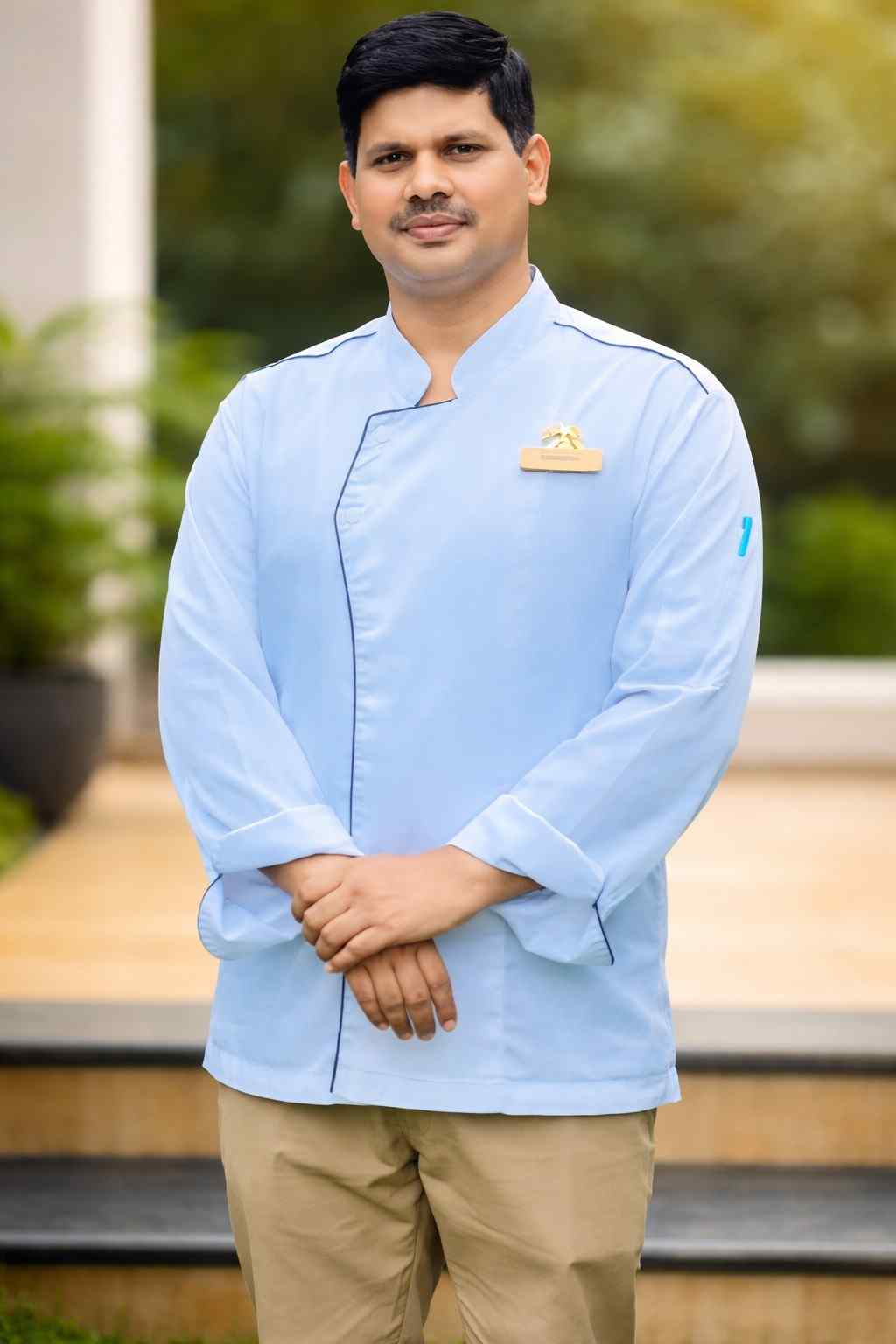
Chef Mahesh Mahto describes kitchen leadership as one of the most demanding roles in hospitality, requiring a balance of control, awareness, and adaptability.
Leadership Beyond Authority
In kitchens, leadership is often associated with authority. However, authority alone does not guarantee performance.
True leadership involves:
- Guiding teams through pressure
- Ensuring system adherence
- Maintaining communication clarity
- Supporting staff during peak stress
It is less about commanding and more about stabilizing.
The Pressure of Decision-Making
Kitchen leaders must make rapid decisions during service. These decisions affect timing, quality, and coordination.
Without systems in place, decision-making becomes overwhelming. With systems, leaders can focus on exceptions rather than routine problems.
Building Trust Within the Team
Trust is essential in high-performance kitchens. Teams must rely on each other to execute tasks without constant supervision.
Chef Mahto emphasizes that trust is built through:
- Clear expectations
- Consistent training
- Fair workload distribution
- Transparent communication
Managing Stress Without Transferring It
One of the key responsibilities of leadership is managing stress without passing it down to the team. When leaders react emotionally, the entire kitchen becomes unstable.
Strong leaders maintain composure, which helps stabilize the environment.
The Role of Communication Hierarchy
Effective kitchens operate with clear communication hierarchies. This prevents confusion and ensures that instructions flow smoothly from leadership to execution teams.
Without hierarchy, messages become distorted, especially during peak service.
Monitoring Without Micromanaging
Leadership in modern kitchens is not about controlling every action. Instead, it is about monitoring systems and ensuring alignment.
Micromanagement slows down operations and reduces team confidence. Structured oversight improves efficiency.
Developing Independent Teams
A strong kitchen is not dependent on constant supervision. Teams are trained to operate independently within defined systems.
This allows leadership to focus on improvement rather than correction.
Continuous Improvement Culture
Leadership also involves evolving systems over time. Kitchens must adapt to changing demands, customer expectations, and operational challenges.
Continuous improvement ensures long-term stability.
Conclusion
Kitchen leadership is a balance between structure and adaptability. Chef Mahesh Mahto highlights that effective leaders are not those who control everything, but those who build systems strong enough to function under pressure.
Media Coverage & External Links
Read the full feature:
Interview:
Also featured in The Literature Times:
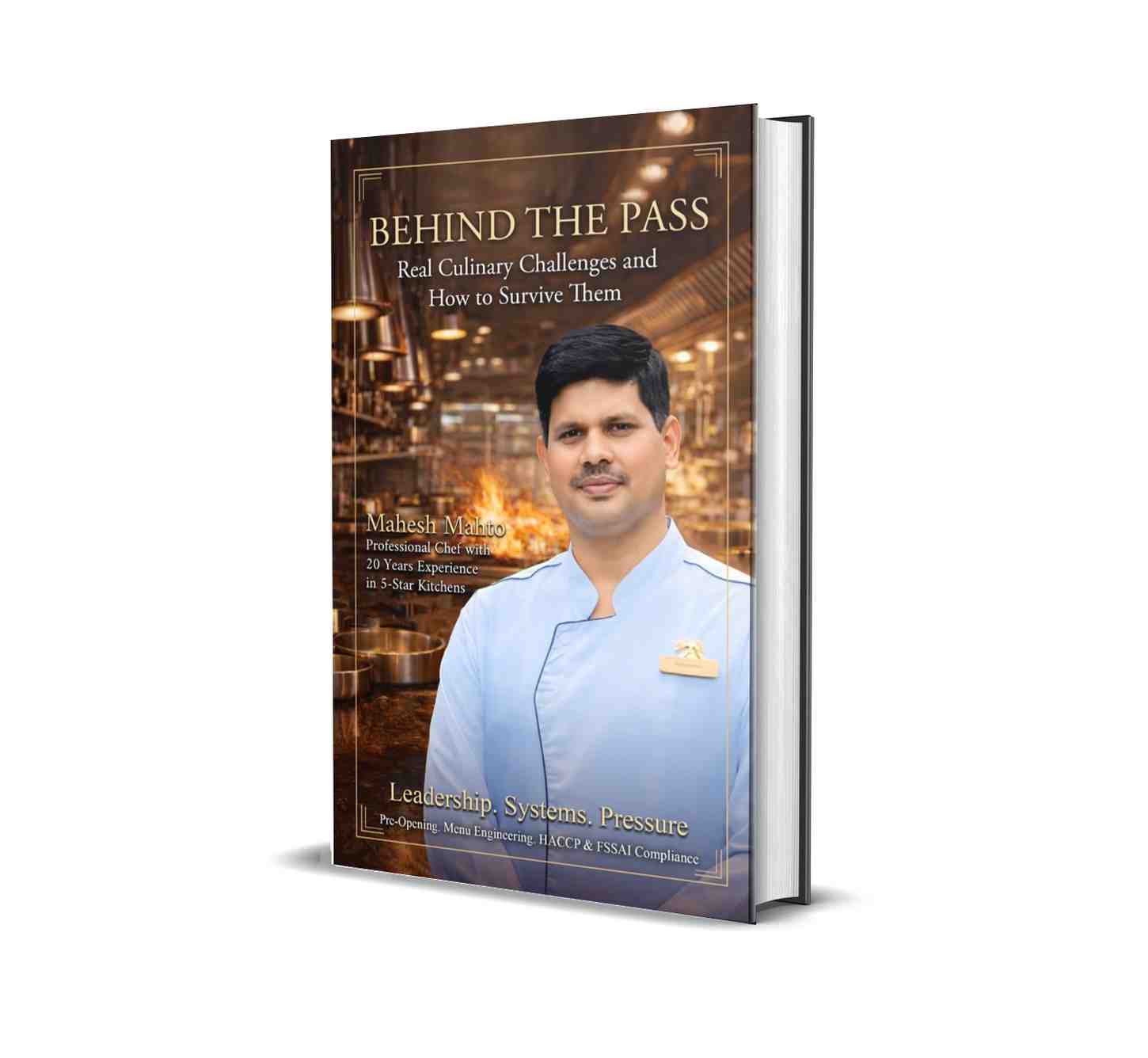
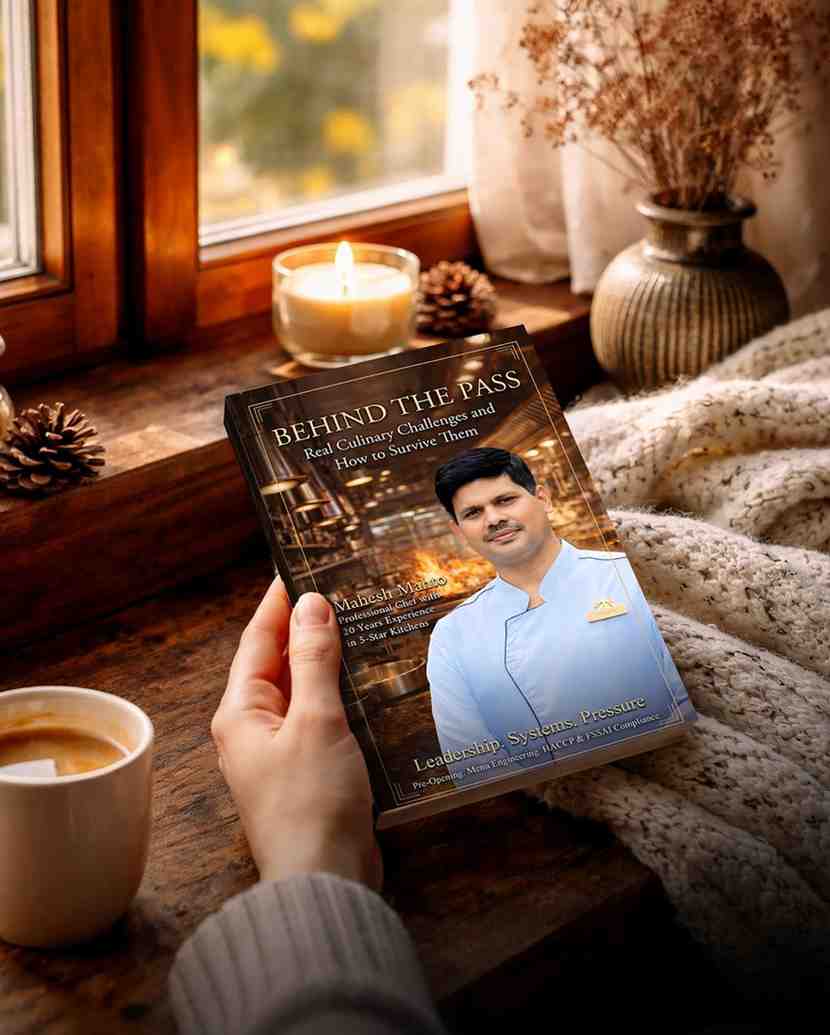
Get Your Copy
The pass is open.
- Amazon — https://lnkd.in/gh__9vkJ
- Flipkart — https://lnkd.in/gVcFjHTa
- Astitva Store — https://lnkd.in/gpmc_vpp
- Classic Shelf — https://lnkd.in/g7_k4TpW

