

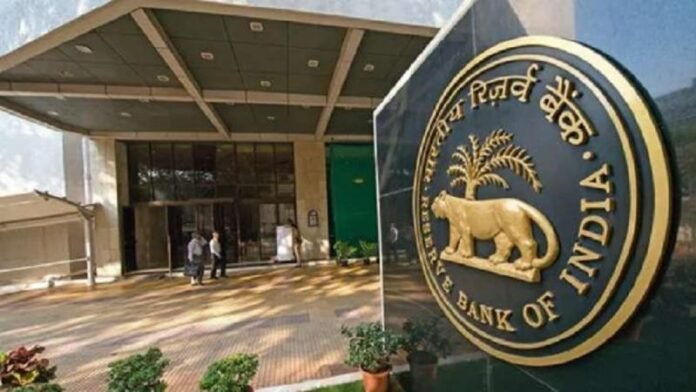
The Reserve Bank of India (RBI) has recently said that the amount of unclaimed deposits in the country’s banks has increased to ₹ 62,314 crore by the end of 2024. This money is lying in such bank accounts in which no transaction has taken place for the last 10 years or more, i.e. neither money was withdrawn, nor deposited nor the account was operated.
The surprising thing is that the largest part of this amount is with government banks. Of the total unclaimed amount, about ₹ 50,900 crore is deposited only in public sector banks.
SBI has the highest unclaimed money
According to the annual report of RBI, State Bank of India (SBI) is at the top in this list. SBI alone has money worth about ₹ 16,968 crore, which has not been claimed by anyone till now. After this come other big government banks.
If we look at the figures of the last few years, this amount has increased rapidly. Unclaimed deposits in the year 2021 were approximately ₹31,000 crore, which has more than doubled in three years. This shows that many people have forgotten about their old bank accounts.
How to get unclaimed money back?
If you or any of your family members have an old bank account in your name, then it is not difficult to get the money back. Any claim can be made by the account holder, joint account holder, nominee or legal heir. For this, first of all you have to go to the branch of the concerned bank. Along with this, necessary KYC documents like Aadhar Card, PAN Card, proof of identity and address will have to be provided. If the account holder wants to keep the account active again, the bank will reactivate the account after completing the formalities. If the account holder wants to close the account and withdraw the money, the bank processes the claim as per the request and the amount is returned.
Government awareness campaign
To give people information about their money, the government has also started an awareness campaign named ‘Your Money, Your Rights’. Its purpose is that people should check their old or forgotten bank accounts and get back their rightful money.
According to RBI rules, if there is no activity in a bank account for 10 years and the money remains unclaimed, then that amount is transferred to the ‘Depositor Education and Awareness (DEA) Fund of RBI. However, even after the money goes into the DEA fund, the account holder or his heirs retain full rights over it.

