

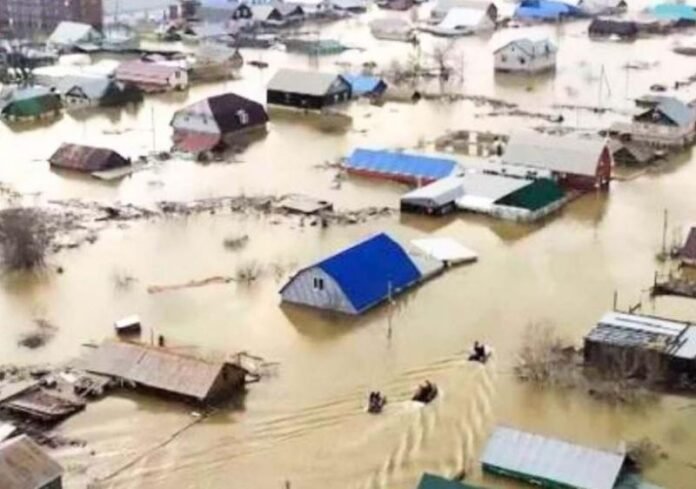
Kabul. For Afghanistan, which is struggling with war and economic crisis, a new trouble has emerged in the form of the havoc of nature. The torrential rains and heavy snowfall that have continued for the last three days in various parts of the country have disrupted life. Due to this natural disaster, sudden floods have caused huge devastation in many provinces, in which at least 12 people have been confirmed dead so far. According to the National Disaster Management Authority, 11 other people have been seriously injured in this disaster, while many are still reported missing.
The worst impact of floods has been seen in several major provinces including Kapisa, Parwan, Kandahar, Helmand, Herat and Badakhshan. Due to torrential rains, rivers are in spate and flood water has entered residential areas. According to reports, around 1,859 houses have completely or partially collapsed, forcing thousands of families to live under the open sky in the bitter cold. Infrastructure has also been heavily damaged; About 209 km long rural roads have been washed away, due to which the affected areas have been cut off from main cities. There is no electricity and the supply of clean drinking water as well as food items has come to a standstill.
This flood has also dealt a severe blow to the rural economy based on agriculture and animal husbandry. According to the data, about 13,941 acres of agricultural land has been submerged, causing damage to the harvested crops. Additionally, about 1,200 animals, which are the main source of livelihood for rural families, have also died in this disaster. Disaster management teams are engaged in relief and rescue work in the affected areas, but due to bad weather and cut off roads, they are facing a lot of difficulties in providing aid. The humanitarian situation in Afghanistan is already extremely critical. According to the estimates of international organizations, in the year 2026, about 2.19 crore population of the country will be in urgent need of humanitarian assistance. Frequent droughts, earthquakes and now these severe floods due to climate change have made the situation more challenging. At the same time, millions of refugees returning from neighboring countries have increased pressure on local resources and basic services. While humanitarian partners are deploying multimillion-dollar relief plans for food, health services and shelter, the current disaster poses a new and significant challenge to these efforts. If the weather does not improve in the coming days, the crisis may deepen further.

